Easy Autumn Table Topper: Free Crochet Pattern Tutorial
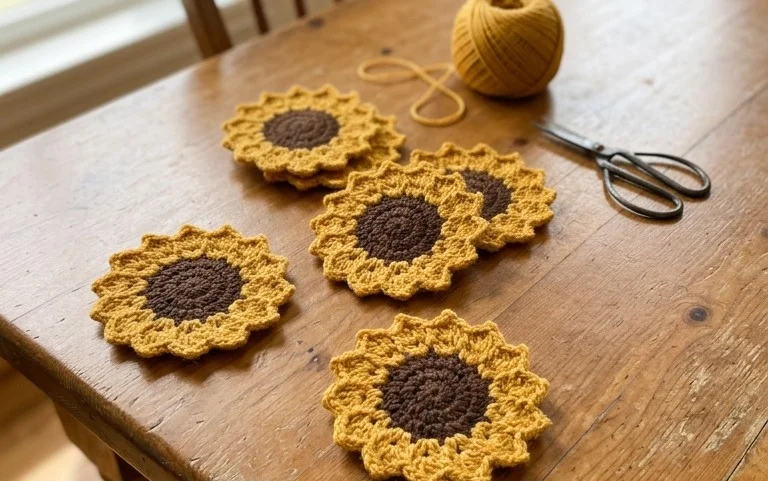
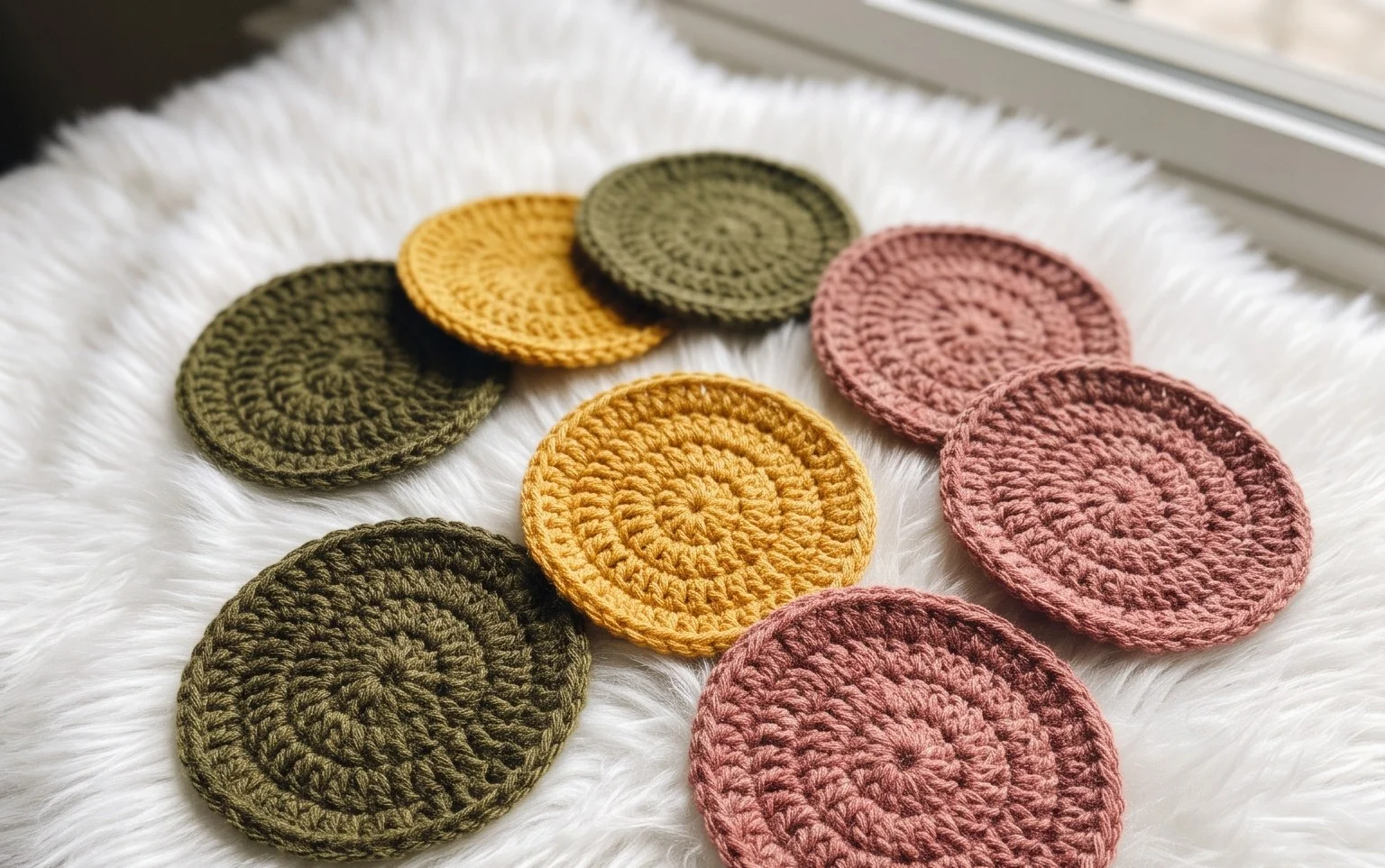
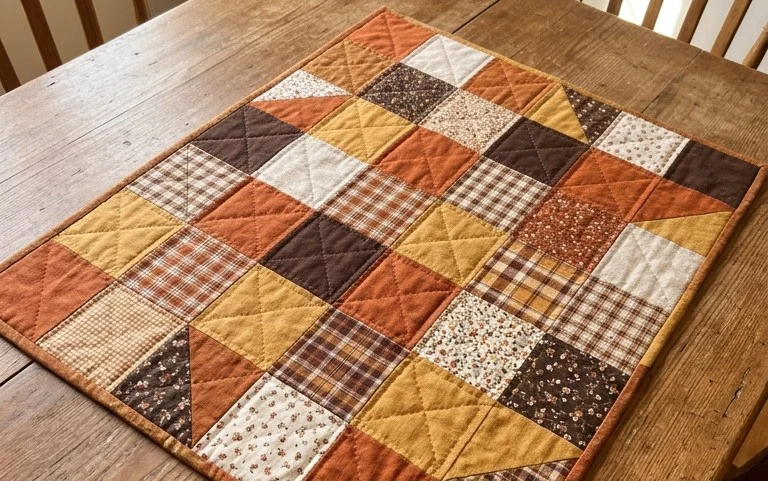
Golden leaves outside your window pair beautifully with this warm, textured table topper draped across your wooden dining table. The soft cotton construction provides a sturdy base for your favorite mugs, while the open stitches add a touch of seasonal charm without cluttering your space. Beginners enjoy this project because it builds confidence through repetitive, rhythmic movements that quickly transform simple yarn into a functional home accessory. You will master the fundamental increase method and clean edge finishing as you work your way from the center outwards. This small project brings a handmade touch to your morning coffee routine while helping you practice essential tension control with basic stitches.
Why Crocheters Love It
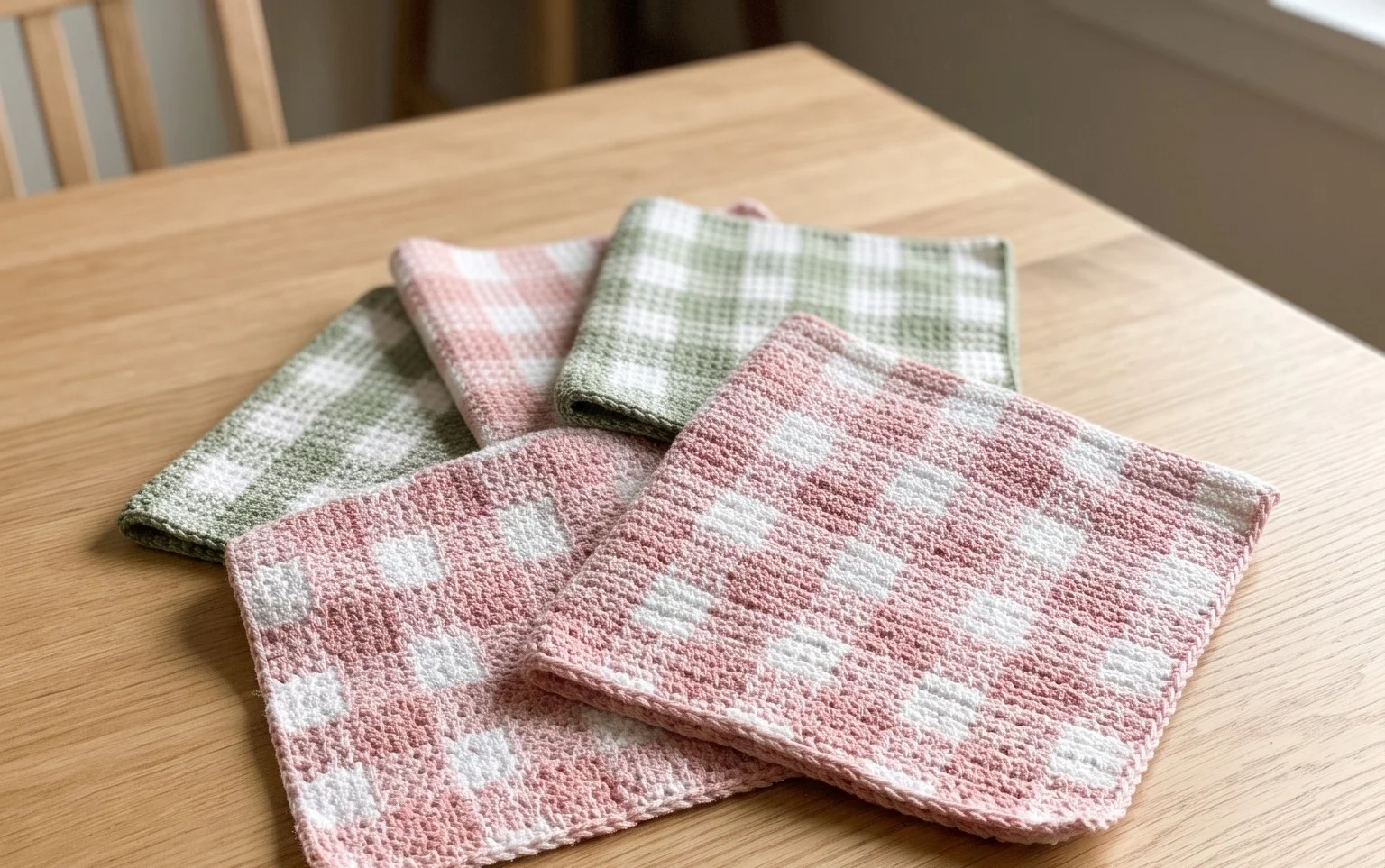
The Classic Granny Square Dishcloth is a foundational project that transitions quickly from a stack of yarn to a functional household staple. This pattern relies on the iconic granny stitch cluster, which creates a textured surface perfect for scrubbing dishes or cleaning kitchen surfaces. Because it is worked in rounds starting from the center, you can easily adjust the size to make everything from a small face scrubby to a larger washcloth. The repetitive nature of the double crochet clusters allows you to establish a consistent rhythm, making it an ideal project for practicing tension control. It is also an excellent way to use up cotton yarn remnants from larger projects, as a single square requires very little yardage.
I managed to finish three of these in one afternoon while watching a movie. They are surprisingly absorbent and the texture is much better for scrubbing than a flat piece of fabric.
— Sarah, home crafter
Pattern Overview & Skill Level
- Skill Level: Beginner
- Approximate Time: 45 to 60 minutes per square
- Construction: Working in joined rounds from the center outward
- Finished Dimensions: 8 inches by 8 inches
Materials & Supplies Needed
- Yarn: Worsted weight (#4) 100% cotton yarn, approximately 45 yards per dishcloth. Cotton is necessary for its absorbency and heat resistance.
- Hook Size: 5.0 mm (H-8) crochet hook.
- Notions needed: Tapestry needle for weaving in ends, sharp scissors.
- Safe yarn substitutions: You may use a cotton-linen blend for increased durability and a slightly firmer scrub, though 100% cotton remains the standard for washcloths. Avoid acrylic yarns as they do not absorb water.
Stitch Guide & Abbreviations (US Terms)
- ch: chain
- st/sts: stitch/stitches
- sl st: slip stitch
- dc: double crochet
- dc cluster: 3 double crochet stitches worked into the same space
- sp: space (the gap created by ch-1 or ch-2)
- MR: magic ring
Step-by-Step Pattern Instructions
Main Square
- Rnd 1: Start with a MR. Ch 3 (counts as first dc), 2 dc in ring, ch 2, *3 dc in ring, ch 2; repeat from * twice more. Join with a sl st to the top of the beginning ch 3. (12 dc, 4 ch-2 spaces)
- Rnd 2: Sl st into the next dc and into the first ch-2 corner sp. Ch 3, 2 dc in same sp, ch 2, 3 dc in same sp (corner made). *Ch 1, skip 3 dc, (3 dc, ch 2, 3 dc) in next ch-2 sp (corner made); repeat from * twice more. Ch 1, join with sl st to top of beginning ch 3. (24 dc, 4 ch-2 spaces, 4 ch-1 spaces)
- Rnd 3: Sl st into the next dc and into the corner sp. Ch 3, 2 dc in same sp, ch 2, 3 dc in same sp. *Ch 1, 3 dc in the next ch-1 sp, ch 1, (3 dc, ch 2, 3 dc) in corner sp; repeat from * around, ending with a ch 1 and joining with a sl st. (36 dc, 8 ch-1 spaces, 4 ch-2 spaces)
- Rnds 4–8: Continue in established pattern, working 3 dc into each ch-1 space along the sides and (3 dc, ch 2, 3 dc) into every corner ch-2 space. Each round will increase the total stitch count by 12 dc. (84 dc total at end of Rnd 8)
Finishing
After completing Rnd 8, fasten off the yarn, leaving a 6-inch tail. Use your tapestry needle to weave the yarn tail securely through the back loops of the final round. Ensure you pull the stitches slightly to match the tension of the work so the join remains invisible.
Care & Washing Instructions
- Machine wash in warm water on a gentle cycle to prevent fraying of the cotton fibers.
- Lay the dishcloth flat on a clean towel to air dry, ensuring you reshape the corners while the item is damp.
- Avoid using fabric softener, as it coats the cotton fibers and significantly reduces the dishcloth’s ability to absorb water.
Pro Tips & Common Mistakes to Avoid
- Maintain consistent tension throughout the rounds. If your dc stitches are too loose, the square will ripple; if they are too tight, the square will pull inward and lose its flat shape.
- Place a locking stitch marker in the first stitch of every round. This helps you identify exactly where to join with a slip stitch, which is often difficult to see in the chain-3 space.
- Weave your ends in multiple directions. Since this item is used for scrubbing, ends that are not secured properly will work themselves loose during heavy use.
- To increase the size of the cloth, simply continue adding rounds following the same increase pattern. Keep in mind that a larger cloth will require more than 45 yards of yarn.
Frequently Asked Questions
Can I use a different weight of yarn for this pattern?
Yes, but you will need to adjust your hook size to match the yarn recommendation on the label. A finer weight yarn will create a smaller, more delicate cloth, while a bulky weight yarn will result in a much thicker, faster-to-work-up cloth.
How do I know if my tension is correct?
Your dishcloth should lay perfectly flat on a table after you finish each round. If the center is cupping like a bowl, your stitches are too tight; if the edges are ruffled or wavy, your stitches are too loose.
Is it okay to sell the items I make from this pattern?
You are welcome to sell finished items made from this design, provided you credit the source. Always check the specific copyright terms provided by the designer if you use this pattern for commercial production.
Are the chain spaces supposed to be tight?
The ch-1 spaces should be just large enough to work your hook into comfortably. If they feel too tight, ensure you are not pulling the chain loop too hard before starting your next cluster of double crochets.
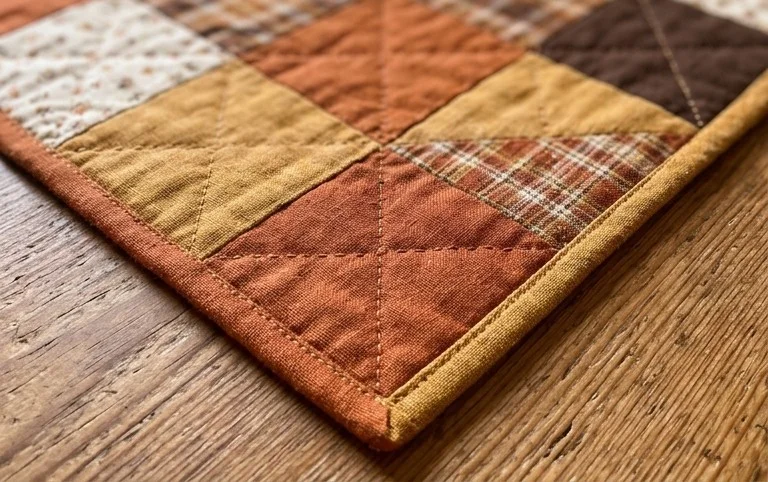
Your finished table topper brings a cozy, handcrafted energy to your home that feels especially fitting as the days grow shorter. You can easily adapt this look by switching to deep burgundy or forest green cotton yarns to match your holiday decor, or by adding a simple fringe for extra movement along the sides. Once you finish your piece, share a photo of your work on your favorite social media site to show others your progress. Explore the rest of the blog for more seasonal projects and patterns that make handmade gifting simple throughout the entire year.